







Search Results for: Highland Coffee
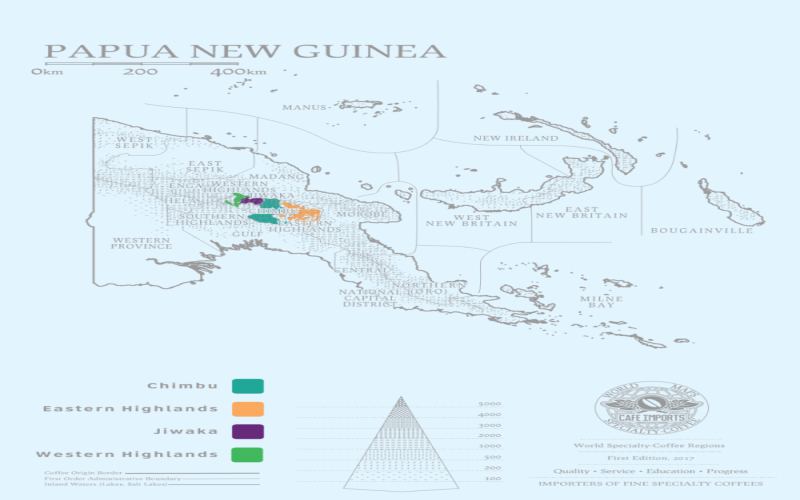
An Analysis of Papua New Guinea Coffee Regions: From Highland Cultivation to AA Grading and the Bird of Paradise Estate
Papua New Guinea is the largest island nation in the South Pacific and one of the world's important specialty coffee origins. Its highland regions have volcanic soil and a tropical rainforest climate, and the growing belt at elevations of 1,200 to 2,500 meters provides an ideal environment for coffee. From the introduction of coffee cultivation during the colonial period in the 19th century to the import of the Typica variety from Jamaica in the 20th century, Papua New Guinea gradually developed a distinctive coffee industry and is known as "Little Blue Mountain." Front Street Coffee takes you in-depth into the main producing areas of the country's five highland provinces, the unique terroir of the Bird of Paradise estate, the AA grading system based on shape and cup quality, and the lingering body and sweet-acid balance that the washed process gives the coffee. [more…]
A Comprehensive Analysis of the Flavor Characteristics, Grading, and Processing Methods of Honduran Specialty Coffee
Honduras is an important coffee-producing country in Central America. Its coffee beans are plump and evenly colored. Thanks to its mild tropical climate and abundant rainfall, it produces outstanding specialty coffee. This article will guide you through Honduras coffee's harvesting methods, washed processing flow, and the flavor and regional characteristics of the two grades "Highland Coffee" and "Select Highland Coffee," while also presenting Front Street Coffee's attention to and recommendations for Honduran specialty coffee. [more…]
A Complete Analysis of Honduran Specialty Coffee Flavor Characteristics, Processing Methods, Regional Grades, and Varieties
Honduras, as an important coffee-producing country in Central America, is known for its specialty coffee with a soft, rich mouthfeel and the sweet aroma of black berries and caramel. Front Street Honduras coffee beans offer a rich, full-bodied flavor profile—neither astringent nor sour—with excellent body and aroma. The formation of this quality is closely tied to its processing method: washed processing is used to select high-quality cherries, followed by sun-drying, which gives the coffee a subtle fruity note. Depending on altitude, Honduras also classifies its coffee into two grades: "Highland Coffee" and "Special Highland Coffee." This article will provide a detailed introduction to Front Street Honduras coffee in terms of its taste and flavor, processing method, and producing region and grade, giving you a comprehensive understanding of this highly regarded coffee. [more…]

HEYTEA's Yak Milk Qia'anmo launched nationwide for a limited time, and the unmixed milk cap has sparked controversy over its takeout appearance.
Heytea recently launched a limited-time offering of the previously Tibet-exclusive yak milk tea, Qiammo, across its nationwide stores. This Tibetan-style sweet tea features yak milk, highland barley base, and a highland barley egg crisp crumble cheese milk cap, sparking anticipation among longtime fans. However, during delivery, the milk cap was not packaged separately, which significantly diminished the drink's appearance and taste, leading many consumers to complain that its look and flavor closely resembled childhood Jinwei cereal. The brand subsequently made emergency adjustments to its packaging rules: hot drinks are now separated by default, while cold drinks require a note. This article reviews the product background, consumer feedback, and the official response, presenting this new product controversy for coffee and tea enthusiasts. [more…]
Analysis of Honduran Coffee Estates, Regions, Varieties, and Flavors: Front Street Coffee Takes You Through the Characteristics of Highland Coffee
Honduras, as an important coffee-producing country in Central America, has 280,000 hectares of coffee plantations, mostly small estates. This article will provide a comprehensive introduction to Honduran coffee from the perspective of Front Street, covering estate names, taste profiles, producing regions, and varietal characteristics. High-quality Honduran coffee is washed, undergoing processes such as soaking, pulping, and screening, and is dried using the sun-drying method, giving it a faint fruity aroma. Its flavor is soft and full-bodied, with low acidity, notable for black berry and caramel sweetness, and occasionally hints of black pepper and tobacco. The article also explains in detail the two grades of High Grown Coffee and Strictly High Grown Coffee, as well as details such as coffee bean appearance and picking methods, taking you deeper into the unique charm of this Central American coffee origin. [more…]
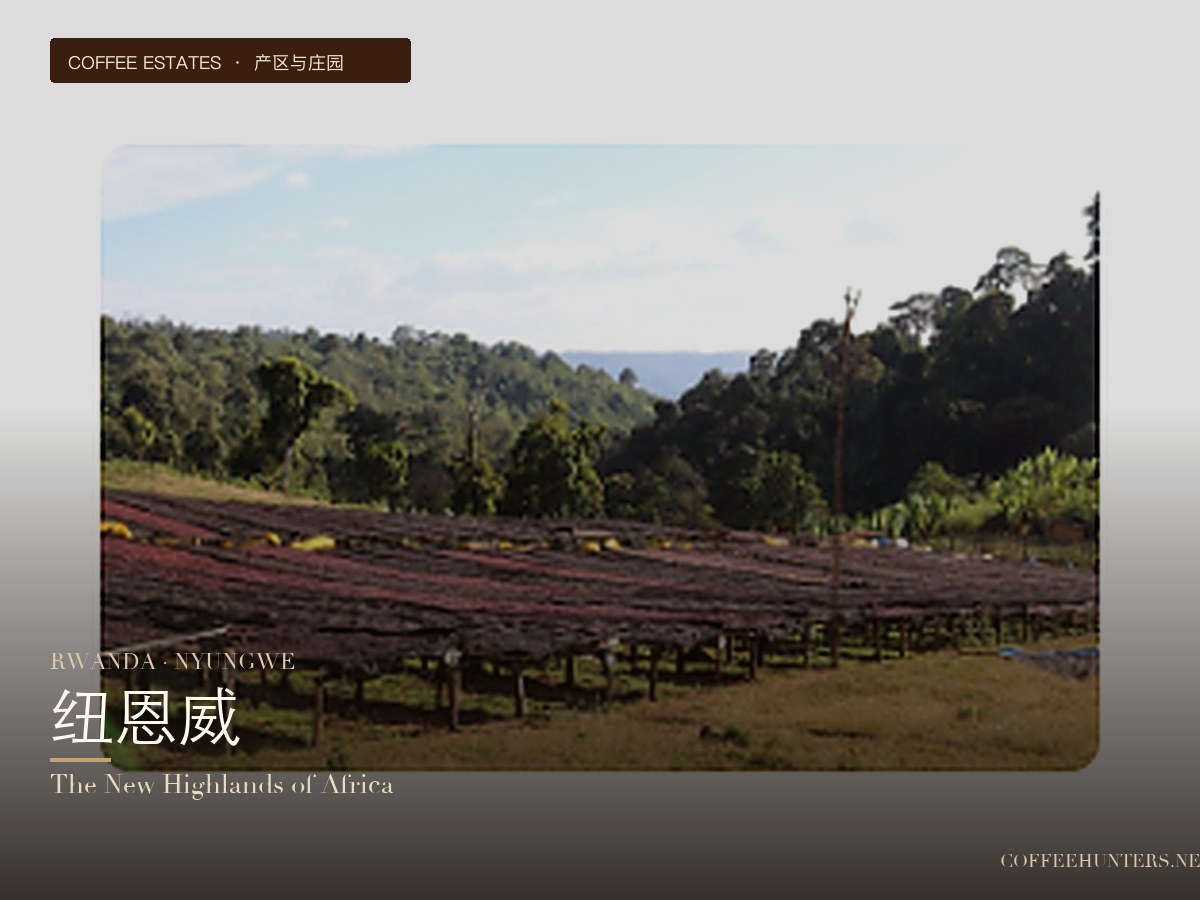
Rwanda Nyungwe: Africa's New Highland for Specialty Coffee
Rwanda is a latecomer to African specialty coffee, and Nyungwe is its core producing region. This article takes you through the rapid rise of Rwandan coffee, the characteristics of the Nyungwe region, and its flavors in the cup. [more…]
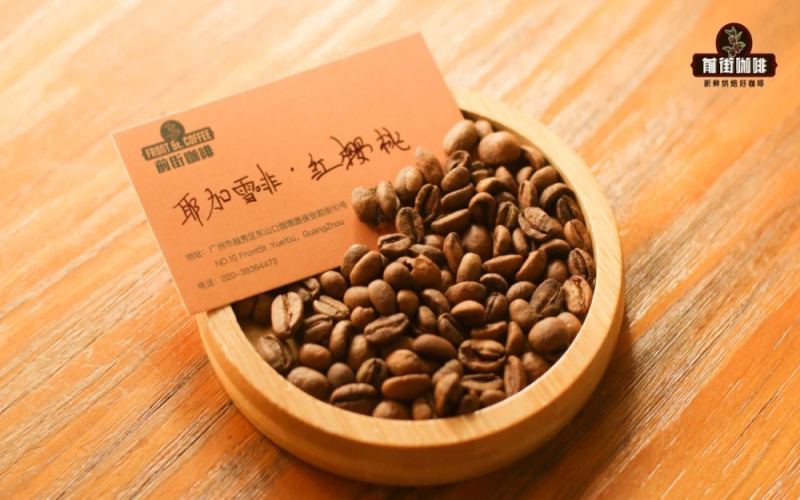
A Detailed Explanation of the Flavor Characteristics and Origin Background of Front Street Yirgacheffe Gediyo East Highland Coffee Beans
Yirgacheffe is one of Ethiopia's most representative specialty coffees, and its fresh citrusy acidity and elegant floral aroma have captivated countless coffee lovers. This article focuses on Front Street Ethiopia Yirgacheffe, covering its name, grading, roasting recommendations, flavor profile, and origin background one by one. This WP Grade 2 washed bean is recommended to be roasted at a medium level, with slight acidity and a dark chocolate finish, and excellent balance. The producing area is located in the Gedeo Zone of Sidama Province, where the coffee trees originate from wild Ethiopian plants, with plump beans and a mellow taste. The article also introduces Front Street Washed Gutingting, which has richer flavor layers and is suitable for various brewing methods such as cold brew, bringing a refreshing and clear taste experience for summer. [more…]
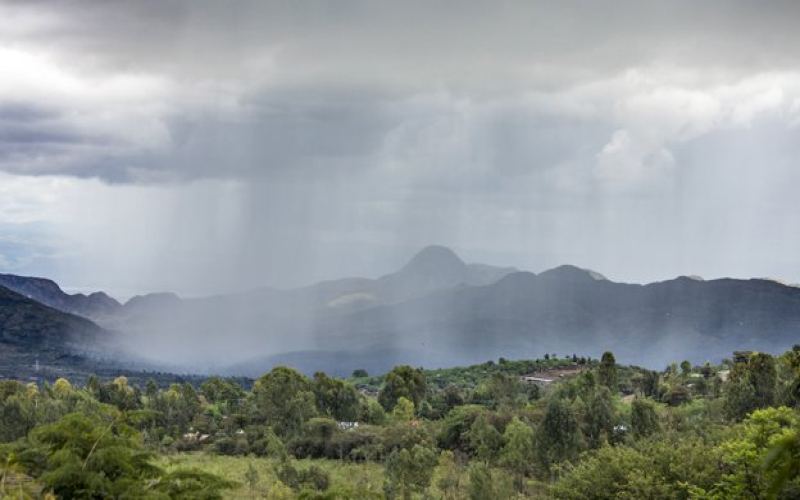
Complete Guide to Himalayan Kangra Highland Black Tea: Cultivation Origins, Flavor Characteristics, and Temi Tea Garden Organic Tea
The Himalayas are not only a symbol of inspiration and purity, but also nurture teas of exceptional flavor. Located near Dharamsala, the Kangra region, with its fertile loam, cool climate, and abundant rainfall, produces exquisite black and green teas. Kangra tea got its start in the mid-19th century, was once exported as far as Kabul and Central Asia, and won awards in London and Amsterdam. Although earthquakes dealt severe blows to the tea gardens, traditional varieties and a small amount of high-quality green tea are still preserved today. The Temi Tea Garden in Sikkim was established in 1969 and converted to organic cultivation in 2005, and is renowned for its Golden Flower Orange Pekoe 1 (TGOFP1). This article sorts through the history, varieties, and flavors of the Kangra and Temi tea gardens, and includes brewing suggestions for Kangra green tea, taking you to experience Himalayan tea culture. [more…]
A Complete Guide to Rwanda's Coffee Regions: From the Terroir of the Land of a Thousand Hills to Bourbon and Mibirizi Varieties
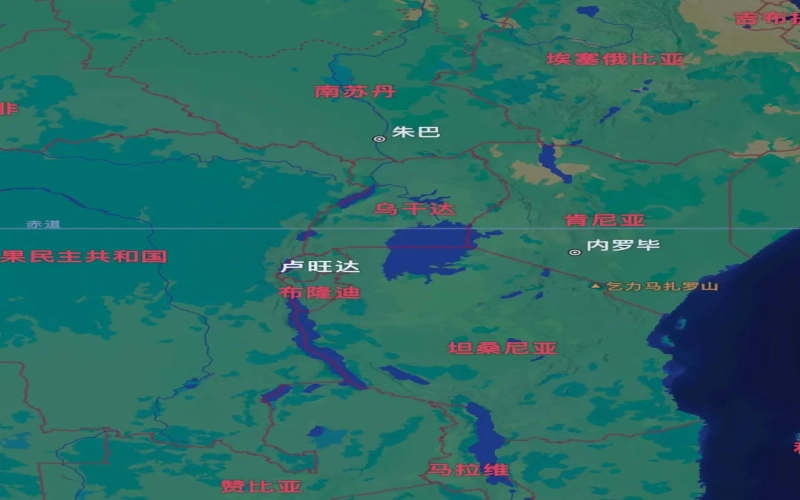
In the African specialty coffee landscape, Ethiopia and Kenya often take the spotlight, yet Rwanda, an inland highland nation known as the "Land of a Thousand Hills," also produces surprisingly remarkable coffee. Rwanda sits on the East African plateau at an elevation of about 1,600 meters, with a tropical highland climate and abundant rainfall that provide ideal conditions for coffee cultivation. Its growing regions can be divided by province into Muhazi, the Lake Kivu area, Huye, and Virunga, among others, with the harvest period mostly concentrated between March and August. In terms of varieties, Bourbon and Mibirizi, Rwanda's oldest variety, dominate, with a small amount of Jackson also planted. This article will guide you through a systematic understanding of Rwanda's national character, the distribution of its coffee regions, and the characteristics of its main varieties, so you can experience the unique charm of this country's coffee. [more…]
A Comprehensive Guide to Global Specialty Coffee Origins: Flavor Profiles and Bean Selection Guide for Each Region
Faced with the dazzling array of imported coffee beans on the market, many enthusiasts often don't know where to start. This article systematically sorts out the representative bean varieties and their flavor characteristics from the world's major coffee-producing regions, covering Central and South America, Africa, Asia, and the Caribbean, including the grade classifications and quality characteristics of countries such as Brazil, Colombia, Guatemala, Kenya, Ethiopia, and Indonesia. Whether you are a beginner just starting out or a seasoned veteran, this origin guide can provide practical reference for your purchasing decisions. Front Street Coffee will also offer recommendations in this article for friends with different taste preferences. [more…]

A Detailed Guide to the Flavors of Guatemala's Eight Major Coffee Regions: Cupping Characteristics from Acatenango Valley to Volcán San Marcos
Guatemala is an important specialty coffee-producing country in Central America, with eight distinct coffee regions distributed across its territory. In April 2010, Mr. Eduardo Ambrocio of the Guatemalan Coffee Company gave a detailed introduction to these regions to an audience at the SCAA Houston exhibition and presented coffee samples from all eight regions. Based on these sample materials, this article examines one by one the altitude, soil, climate, and processing methods of the eight major regions—Acatenango Valley, Antigua, Traditional Atitlán, Rainforest Cobán, Huehuetenango Highlands, Highland Wet Highlands, New Oriente, and Volcanic San Marcos—and includes the cupping flavor characteristics of the coffee from each region. For friends who love Guatemalan coffee, Front Street Coffee will also recommend a few beans worth paying attention to, helping everyone more intuitively experience the flavor differences among the various regions. [more…]
Front Street Coffee Detailed Guide to Guatemala Huehuetenango Miravalle Estate Green Bourbon Coffee Beans
The highlands of Huehuetenango in Guatemala, with their fertile volcanic soil and unique cloud-shrouded valley microclimates, give rise to specialty coffee with rich layers of flavor. This time, Front Street Coffee brings us the washed green Bourbon beans from Miravalles Estate, a farm founded by Benjamin Villatoro in 1970 and now carried on by Jorge Villatoro, which has achieved outstanding results in the C.O.E. and Huehuetenango highland competitions for many consecutive years. This coffee uses a blend of Bourbon, Catimor, and Caturra varieties, grown at 1,500 meters and given a medium roast, presenting an elegant profile interweaving honey, wild ginger flower, sugarcane sweetness, and malic acidity. This article will provide a comprehensive analysis of this coffee, which represents the Huehuetenango style, from the estate's background and the terroir of the growing region to its flavor expression. [more…]
Santo Domingo Coffee: Flavor Characteristics, Historical Origins, and Regional Analysis of Dominican Specialty Beans
The Dominican Republic is located on the eastern side of the Caribbean island of Hispaniola, neighboring Haiti, and has a long-standing coffee-growing tradition. Among its regions, the coffee produced in Santo Domingo and Bani is the most well-known, and is regarded as one of the representatives of the world's high-quality coffee. Dominican coffee is known for being fresh and elegant, with plump beans, pleasant acidity, and an inviting aroma. It is mostly washed-processed, preserving a purer aroma and a softer mouthfeel. The flavors of highland and lowland cultivation each have their own characteristics, and in recent years the output of specialty estates has been considered comparable to Puerto Rican and Jamaican beans. This article will give you a comprehensive understanding of Dominican specialty coffee from the perspectives of history, producing regions, processing methods, and flavor and mouthfeel. Front Street Coffee also recommends Dominican beans worth trying. [more…]
A Complete Guide to Honduran Specialty Coffee: Regional Terroir, Grading System, and Flavor Characteristics
Honduras is located in northern Central America. Although it is known for its political instability, it is also a coffee-producing country that cannot be overlooked. This article will guide you through the country's coffee-growing conditions, grading standards, and processing methods, and take a deeper look at the flavor profile of Front Street Honduras coffee—from balanced acidity and bitterness to delicate fruity notes, as well as its versatile uses in both single-origin and blended coffees. Whether you are encountering it for the first time or already know something about it, you will gain a more complete understanding of Honduran coffee. [more…]
Papua New Guinea Kimel Estate: Terroir and Heritage of Oceania's "Little Blue Mountain" Coffee Region
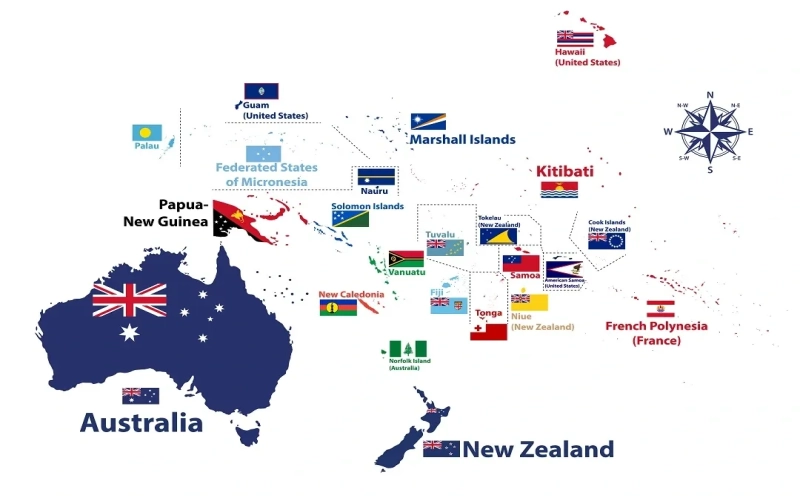
Although Oceania is the smallest continent by land area, its unique volcanic island terrain and diverse climate have given rise to Papua New Guinea coffee, known as the "Little Blue Mountain." From trial plantings in the late 19th century, to the introduction of Typica from Jamaica's Blue Mountain in 1931, and then to the unexpected development opportunity brought by Brazil's frost in 1975, Papua New Guinea coffee gradually moved toward scale and specialty production. This article focuses on the five highland provinces in the central region, with particular attention to the Kimel Estate in the Eastern Highlands Province—a private cooperative owned by smallholder farmers of the Opais people, equipped with a washed-processing facility and stable quality control, combining terroir advantages with cultural character. At the same time, the article also mentions the Sigri Estate Bird of Paradise coffee beans recommended by Front Street Coffee, offering a flavor reference for coffee enthusiasts. [more…]
The Coffee Gem of Central America, Guatemala: A Complete Flavor Analysis of Seven Major Producing Regions from the Highlands of Huehuetenango to Classic Antigua
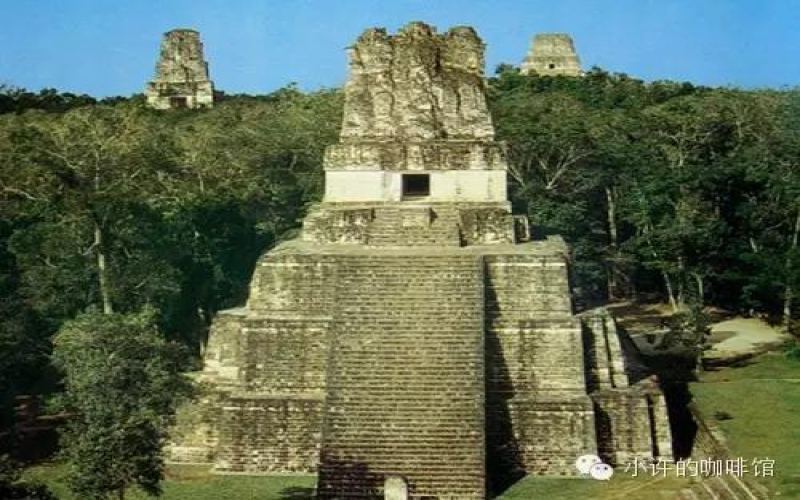
Guatemala, a Central American country whose name means "land of forests" in Mayan, is not large in territory, yet thanks to its volcanic soil, varied climate, and high-altitude environment, it has become the world's eighth-largest coffee producer. This article will take you through the history and grading system of Guatemalan coffee, analyze the seven major specialty regions one by one, and focus on the two star origins: Huehuetenango and classic Antigua. You will experience the signature floral notes, bright acidity, and bittersweet chocolate of Front Street Guatemalan coffee, as well as Antigua's unique "volcanic smokiness," while also learning how the choice of roast level affects its flavor expression. [more…]
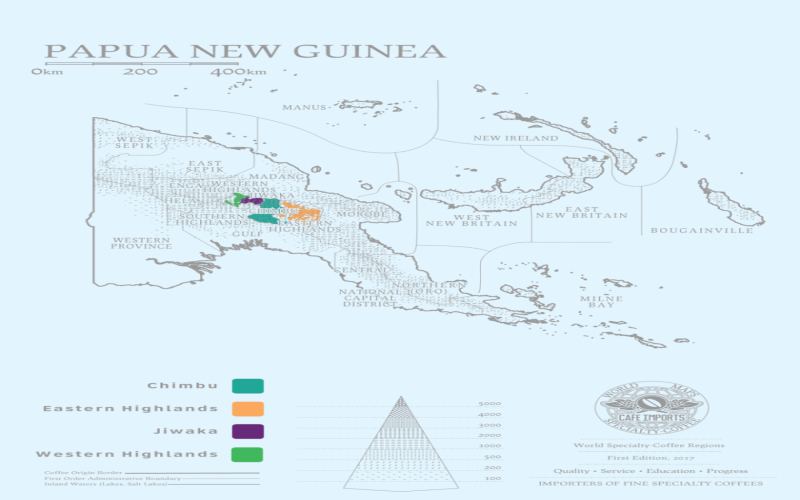
Terroir Conditions of Papua New Guinea Coffee Regions and Flavor Characteristics and Brewing Suggestions for Bird of Paradise Typica Coffee Beans
Located in the South Pacific, Papua New Guinea has become a potential production area for high-quality Arabica coffee thanks to its high altitude, volcanic soil, and tropical rainforest climate. Starting from the country's coffee-growing history, this article sorts out the botanical characteristics and flavor advantages of the Typica variety, and focuses on the Bird of Paradise coffee beans in Front Street Coffee's bean list—produced by Sigri Bird of Paradise Estate, washed processed, soft and balanced in taste, and long known as the "Little Blue Mountain." The article also presents Front Street Coffee's brewing parameters and extraction methods, and describes the complete flavor performance of this coffee from dry aroma to aftertaste, providing coffee lovers with production-area knowledge and brewing references. [more…]
A Complete Flavor Analysis of Guatemala Antigua La Flor Coffee Beans: The Taste Profile of a Central American Specialty Coffee Nurtured by Volcanic Soil
Guatemala is located on the Central American isthmus. With its highland terrain shaped by volcanic ranges and mineral-rich volcanic ash soil, it has become the world's ninth-largest coffee producer. Among its seven major producing regions, Antigua stands out in particular—a valley surrounded by three volcanoes, abundant sunshine, and cool nights together create a unique microclimate. This article will guide you through an in-depth understanding of the natural conditions of the Antigua region, analyze the cupping performance of local coffee beans, and introduce the elegant sweetness and balanced mouthfeel presented by Flor del Café coffee beans. Whether you are a coffee enthusiast just starting out or a connoisseur pursuing flavor details, you will be able to feel the unique charm that this volcanic land imparts to coffee. [more…]
Flavor Characteristics of Sulawesi Toraja Coffee and an Analysis of Its Similarities and Differences with Kalosi Coffee
The central highlands of Sulawesi, Indonesia, give rise to the unique Toraja coffee, while Kalosi, as a trading hub, often causes the two names to be used interchangeably. This article will guide you through the background of the Toraja people, the wet-hulling process of the coffee, and the flavor characteristics of Toraja coffee—its low acidity, full body, and caramel sweetness. At the same time, we will also clarify the actual connection between Toraja and Kalosi coffee, and introduce Front Street Coffee's recommendation and experience of the Balini brand Toraja coffee, helping coffee enthusiasts gain a clearer understanding of the charm of this niche origin. [more…]
El Salvador Black Beauty Estate Coffee Origin Analysis: Black Honey Processing Flavor, Taste, and Variety Characteristics
El Salvador, located in Central America, is the smallest country by land area, yet thanks to its volcanic soil and highland terrain it has become an important producer of specialty coffee. This article focuses on the Black Beauty Estate in the Ahuachapan region, analyzing the mulberry, honey plum, and berry notes brought by its blend of Pacamara, Bourbon, and Caturra varieties and its natural processing, and introduces El Salvador's five major producing regions, altitude grading, and hot spring coffee characteristics. Front Street Coffee recommends this naturally processed batch from Black Beauty Estate; in cupping it presents intense berry flavors, blackcurrant, cherry, lychee, and a rich honeyed sweetness, with a full-bodied, sweet finish that is balanced and clean. [more…]